

The couple, who owned and operated Essex and Associates, a Washington Twp. accounting and tax preparation business, used the funds on personal expenses, including $1.7 million on real estate and a new home and $200,000 on a new Mercedes. They also spent the money on payroll, personal taxes, IRS penalties, gifts for family members, travel, jewelry, chef services and dining, officials said.
Here are some other recent stories about financial scams in the region.
Jan. 10, 2026: Preble County Sheriff’s Office warning public against jail scam
The Preble County Sheriff’s Office said scammers have been calling family members of people currently on the jail roster and identifying themselves as Preble County Jail employees.
“They are asking families for $500 for an ankle monitor to be placed on their loved one so they can be released,” the sheriff’s office said. “The scammers may use the name of a current sheriff’s office employee then provide a Pay-Pal account for the victims to pay into.”
Oct. 22, 2025: Butler County woman scammed out of $88K in cryptocurrency scam

A 67-year-old Fairfield Twp. woman was scammed out of $88,000 in a cryptocurrency scheme.
The Fairfield Twp. woman who was victimized reported a prompt appeared on her computer screen suggesting the device was hacked. A number was provided on the prompt and that led her to “a Microsoft technician.”
Investigators say these bad actors persuaded the woman to buy a new laptop and grant them access to it. She was then instructed to withdraw money from her banking accounts — $88,000 in total — and deposit it into a cryptocurrency kiosk.
Sept. 2, 2025: Police: $10K returned to Englewood man after scammer poses as son
An investigation by Englewood police returned $10,000 to an 86-year-old man after he received a scam call from a person claiming to be his son.
The 86-year-old Englewood man received a call from an unknown person claiming to be his son and asking for $10,000 to help get out of jail, according to police.
A courier arrived at the home and the man handed the courier an envelope with $10,000 while on the phone with the scammer.
Aug. 21, 2025: Think texts to your phone from Amazon, UPS might be fake? Here’s what to do

Scam text messages are on the rise with criminals impersonating trusted brands like Amazon and UPS.
If you’ve received notifications for fake Amazon orders or seen a “missed delivery” alert pop up from UPS you are not alone.
“Scam texts are no longer the clumsy attempts we used to see. They are well-crafted, targeted, and designed to look authentic,” said Jeremy Boudinet, VP of Growth at Textla, a SMS marketing platform, in a press statement. “Attackers know people expect deliveries, track online orders, and often respond to what looks like an innocent message. One wrong tap can hand over everything from banking details to login credentials.”
Aug. 8, 2025: Sheriff’s office warns Montgomery County residents of two new scams
The Montgomery County Sheriff’s Office is asked the public to be alert to two new scams circulating in the region.
In one scam, victims receive a text from a person claiming to work for the sheriff’s office.
“The scammer states they are contacting the victim on behalf of an inmate — often using the real name of a friend or family member — who has allegedly been arrested and granted a bond," the sheriff’s office said.
In the second scam, victims receive a “Mastercard” in the mail that claims to have a balance and be issued by the Montgomery County Jail.
“The Montgomery County Jail does not mail debit cards under any circumstances,” the sheriff’s office said.
June 11, 2025: Scammers posing as BMV texting Ohioans about fake unpaid tickets
The Ohio Bureau of Motor Vehicles warned residents of fake texts from scammers claiming to be with the BMV.
Ohioans are receiving texts claiming they have an outstanding traffic ticket that needs to be paid immediately, the Ohio BMV said.
March 28, 2025: ‘Oh, mom. This is a scam’ — Woman lost $52K
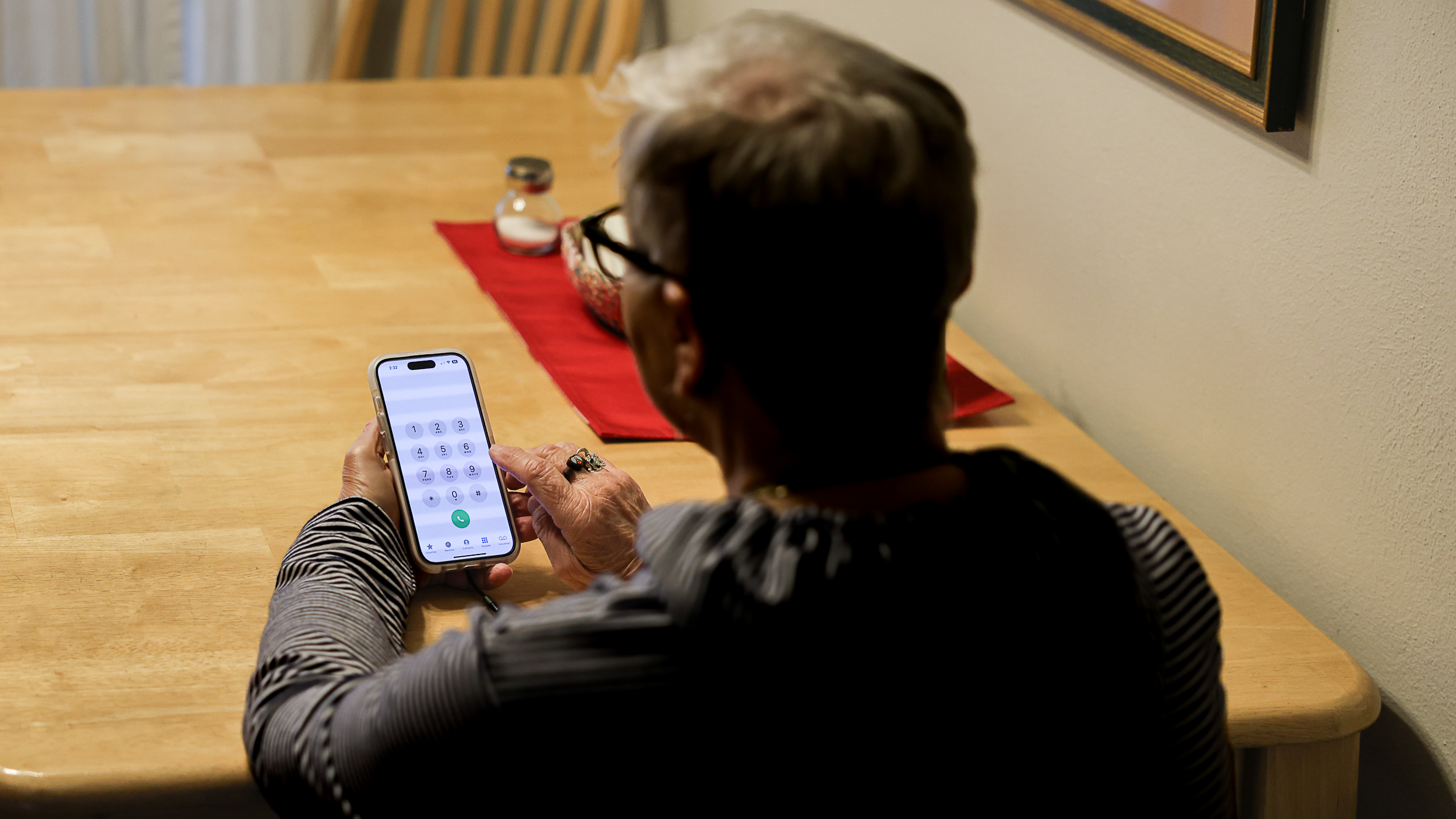
It started with an error message on the Google account of an 80-year-old Kettering woman’s iPad and iPhone.
After her sister provided phone numbers she found online for what she thought was Google support, the woman ended up withdrawing more than $50,000 from her bank account that went to scammers.
About the Author