

Flooding is possible, especially in low-lying and flood-prone locations after days of rain and excessive showers, according to the National Weather Service in Wilmington.
Up to an inch of additional rain is possible today.
As we are closely monitoring the potential for flooding in the Miami Valley with all this rain, we have some useful information for you.
Basement flooded? What to do now
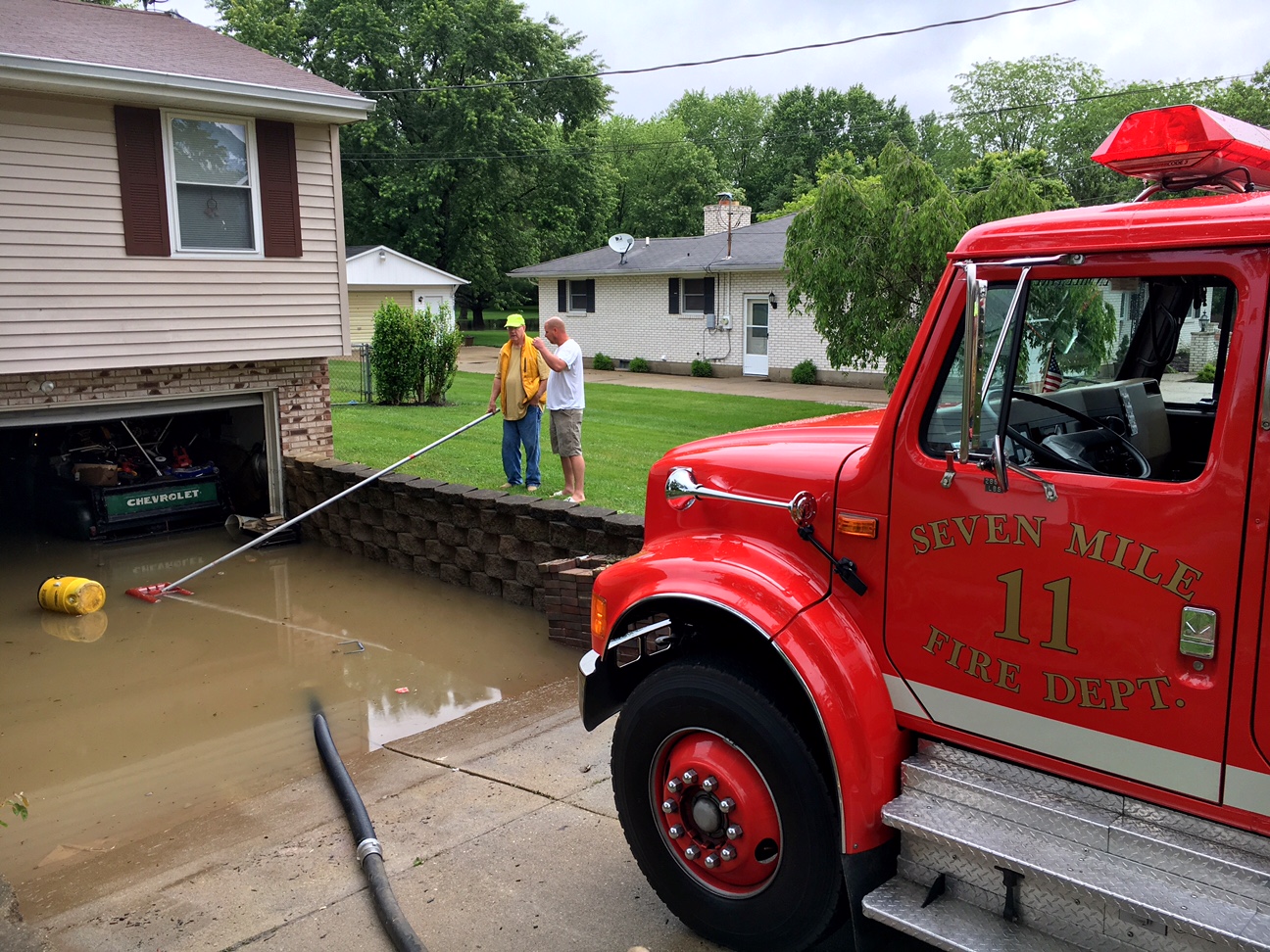
Heavy rainfall often is followed by flood warnings and reports of flooded basements throughout the area.
However, once the basement is flooded, what do you do?
The first decision is whether to perform the cleanup yourself or hire a contractor. The EPA said to exercise caution when choosing a contractor, and ask for qualifications, training and experience of the contractor in dealing with damage restoration, mold removal and drying out buildings.
Avoid driving in high water

Credit: Nick Graham
Credit: Nick Graham
Would you know what to do if you suddenly drove upon a water-covered road?
It’s a scenario many drivers have faced this week due to heavy rainfall and flooding.
Flooding causes dangerous and life-threatening situations on the road, and because drivers don’t routinely face such perils while driving, they might not know what to do in high water conditions.
The National Weather Service says that it takes just 6 inches of flood water to knock a person over, while a foot of rushing water can sweep away a car. Two feet of rushing water can sweep away most vehicles, including sport-utility vehicles.
According to insurance provider Progressive, if there’s no other route or alternative and you must drive through water, drive slowly and steadily. Be sure not to drive in water with downed power lines, and watch out for items moving downstream.
Driving through a significant amount of water can damage or even total a vehicle, especially if water gets sucked up by the air intake and floods the engine, which can then damage cylinders and displace pistons.
If water rises around your car but the water isn’t moving, exit the car and move to higher ground, according to the Department of Homeland Security.
If you find your vehicle in high waters, don’t start or run your car, if possible, to avoid damaging the engine.
How does Dayton’s flood protection system work?
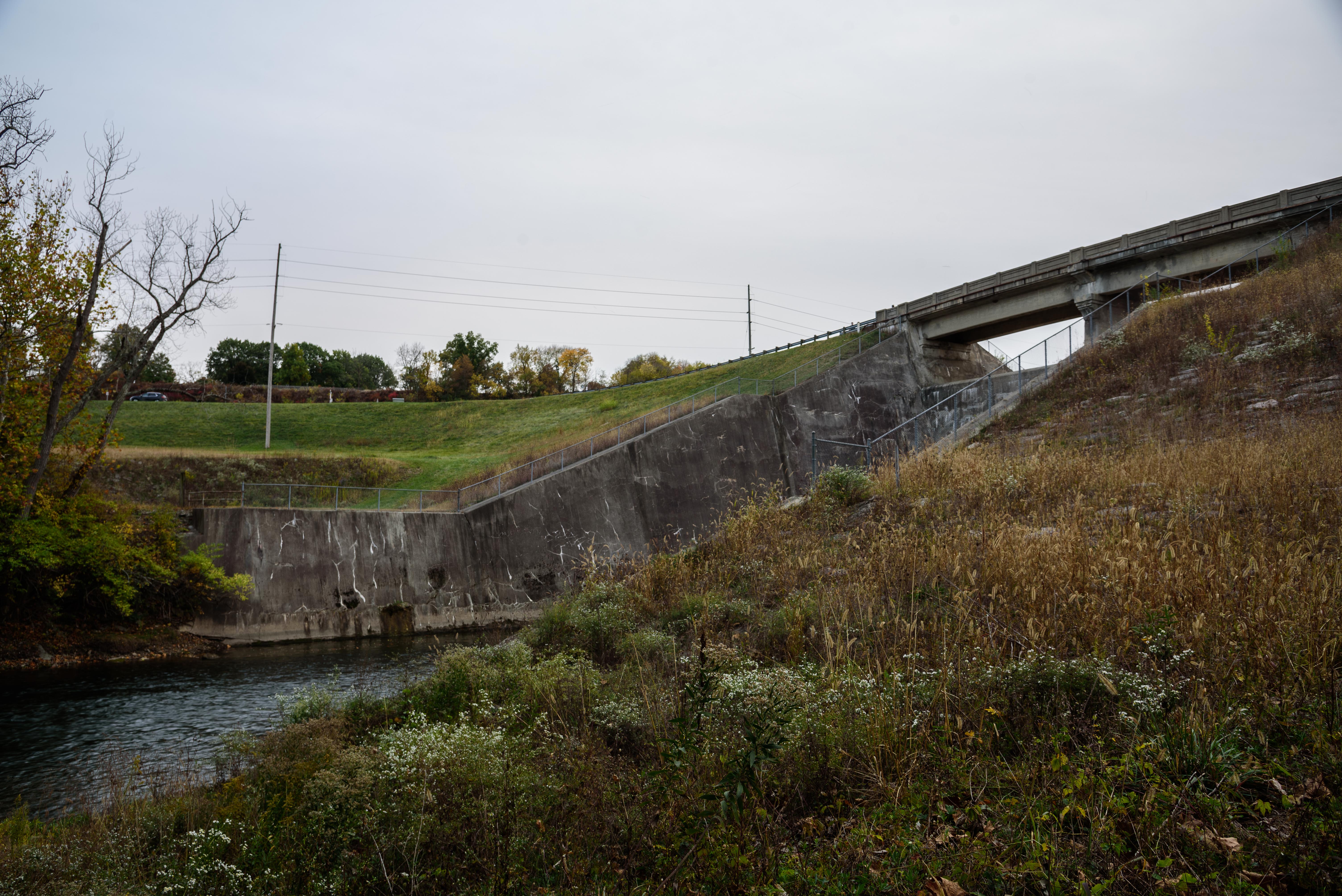
Clever engineering and regular maintenance keep a 100-year-old dam and levee system operating, protecting more than $10 billion in property annually.
The Miami Conservancy District’s flood protection system consists of five dry dams, five storage basins, 55 miles of levee and thousands of acres of preserved floodplain. It was formed in 1922, several years after one of Ohio’s largest natural disasters.
Dayton’s flood protection system was designed to manage a storm the size of the Great 1913 Flood, plus another 40%. The historic flood saw 9-11 inches of rain in three days across the 4,000-square-mile watershed. This caused rivers to overflow, and parts of Dayton were submerged in nearly 20 feet of water.
Weather alerts
The best way to stay safe from flooding is knowing the difference between watches, warnings and advisories. Here is a breakdown of these weather alerts as defined by the National Weather Service.
• Flash Flood Watch means the potential exists for flooding to occur. It does not mean flooding will occur, but it’s possible.
• Flash Flood Warning: This is issued when a flash flood is imminent or occurring. If you are in a flood prone area, move to higher ground immediately. It is even possible to experience a flash flood in areas not immediately receiving rain.
• Flood Warning: This is issued when flooding is imminent or already happening. You will typically see flood warnings issued in areas located along larger rivers, but can be placed in other areas too.
• Flood Advisory: This is issued when flooding is expected, but not to be bad enough to issue a warning. However, it may cause significant inconvenience, and if caution is not exercised, it could lead to a situation that may be threatening to life and/or property.
Be prepared to evacuate immediately if necessary and know your routes and destinations. Now is also the time to make sure your emergency kit is replenished with supplies, especially medications or other medical supplies.